Oriolus Kids
An Early Childhood Program where Children Experience, Explore and Express their Nature.
EXPERIENCE EXPLORE EXPRESS
With Oriolus Kids, children have the opportunity to…
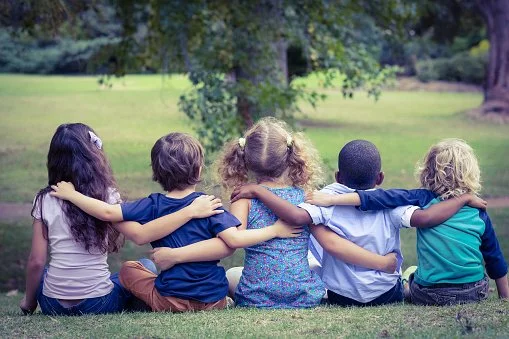
Experience a kinship with nature that will continue throughout their lives
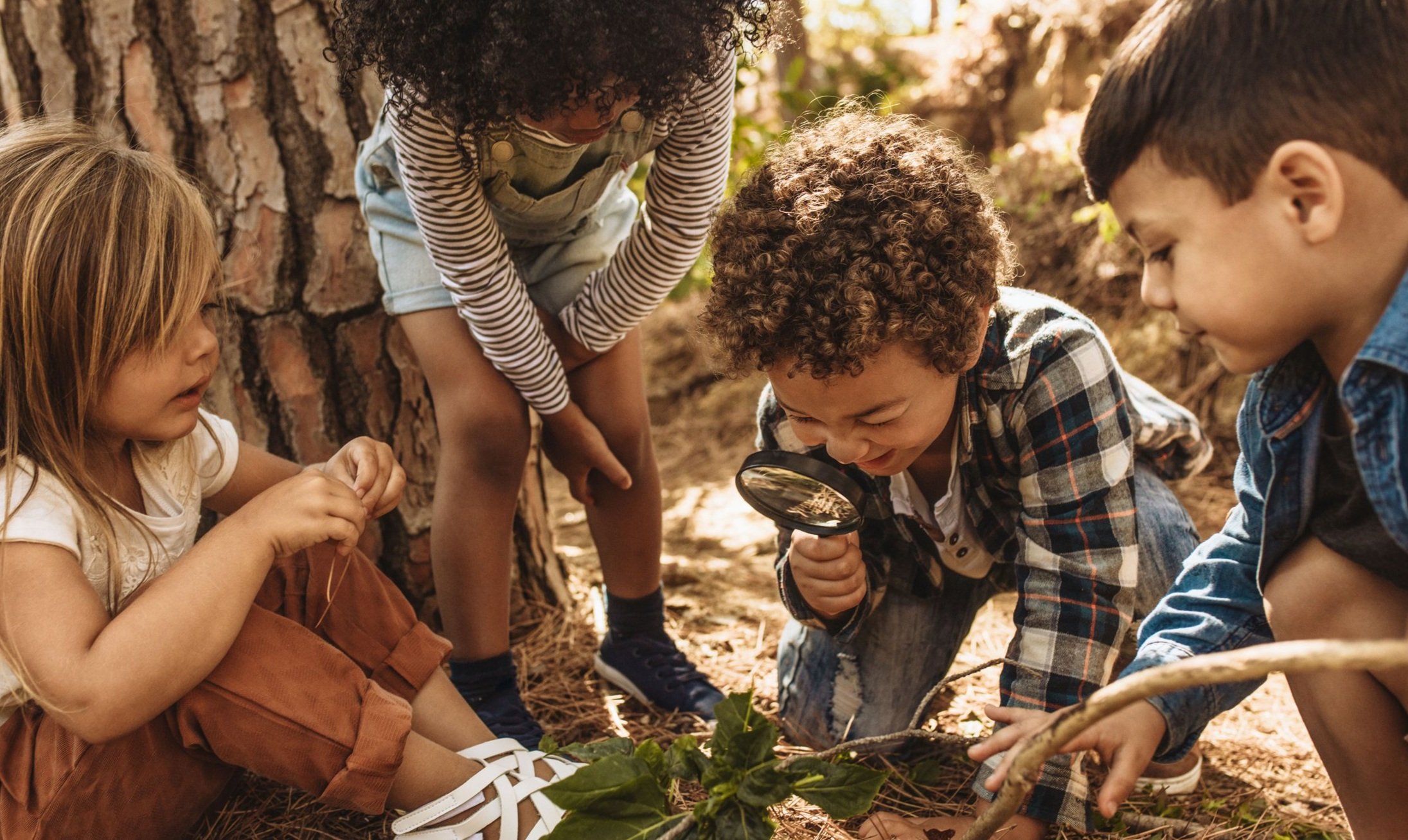
Explore nature through the seasons practicing lifelong learning skills
Express through the arts and sciences while playing, creating and investigating


Oriolus Kids is a pathway to the awareness of and engagement with the human-nature interconnection.
-
Oriolus Kids is a seasonally inspired, nature-based program offering experiences in the arts and sciences. This program was created and is operated by two women with 35 years of cumulative knowledge and experience working with children. The environment is a screen-free, in-home setting with a fenced yard for a small group of children ages 2 1/2 - 5 years. We are located in the Nine Springs Neighborhood on the Southeast side of Madison, Wisconsin. Parks, trails and natural areas surround our neighborhood. Program days and hours are Tuesday - Thursday, 8:30 AM - 4:30 PM. Full day and half day options available.
-
Two experienced adults in early childhood education will provide indoor/outdoor seasonal activities and experiences in the arts and sciences.
Seasonal Mural created using a process, cooperative art method and multiple mediums.
Choosing a Tree to visit and observe throughout the seasons.
Movement Activities making a body/nature connection through movement that captures the essence of the seasons with stories and songs. This early childhood movement curriculum was created for Oriolus Kids by Sabina Mapp, who has a BA in Dance and a MA in Dance Anthropology.
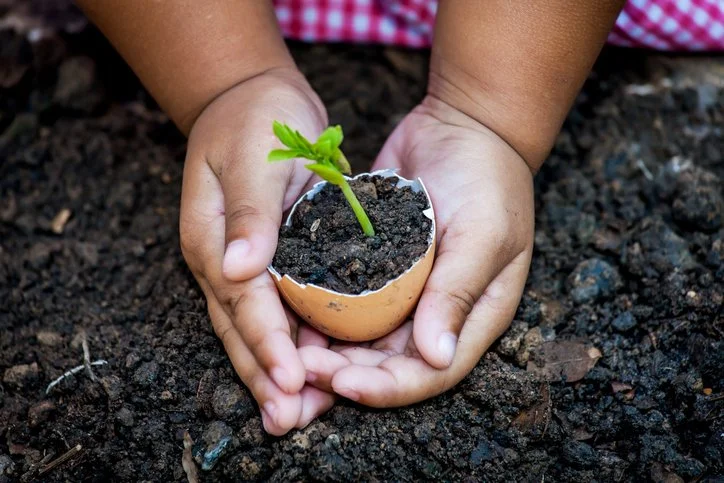
Gardening on-site, in a raised garden bed. Also introducing seasonal eating and cooking.
Focus Walks on trails in our neighborhood's natural areas and park.
Science using a scientific method adapted for early childhood development. Also introducing Simple Machines.
Storytelling that reflects the essence of each season using classic and award-winning literature, puppetry, and dramatic/theatrical play.
Arts & Crafts opportunities to experience multiple mediums, including natural materials, and introducing the fundamentals of art.
Math Concepts are incorporated throughout the program's activities and introduce the fundamentals of math.
Music & Songs are incorporated throughout the program introducing the fundamentals of music.
-
The schedule includes a general time frame for activities throughout the day. We provide a consistent schedule for each day, yet we adapt to the natural rhythm of the group.
*During self-directed playtime, we offer a variety of materials that change seasonally.
8:30 - 9 Arrival and acclimation time with self-directed play*
9 - 9:30 Gathering and greeting: coming together as a group and sharing movement, songs and stories
9:30 - 10 AM snack
10 – 11:30 Curated indoor/outdoor seasonal activities and seasonal sensorial walks
11:30 - 12 Movement curriculum
12 – 12:30 Lunch
12:30 - 1 Rest period
1 - 1:30 Acclimation time for PM arrivals and self-directed play* for all
1:30 – 3 Curated indoor/outdoor seasonal activities
3 - 3:30 PM snack
3:30 - 4 Movement curriculum
4 - 4:30 Group farewell: coming together as a group to end our day with movement, songs and stories
-
Each day we engage in activities that are representational of the seasonal phase we are experiencing.
In the essence of Late Winter, in this restful time, our minds are seeking renewed order and form as the potential of what’s to come.
Activities Key:
(Parentheses denote learning concepts)
Italics express the human-nature interconnection
Activities during an Late Winter Day:
Gathering and Greeting:
Read, Footprints in the Snow by Michael Dahl, illustrated by Todd Duran (literature)
Finger play, “Five Little Snowmen” (counting poem)
The essence of Late Winter play.
Seasonally Curated Activities:
AM:
Focus Walk - Go out and look for prints in the snow. Make patterns in the snow. (science, math) We make sense and order of what we find/make in the snow.
Sensory Bin - Ice Float - Put water and ice cubes in a plastic bin for children to explore floating ice. (science) Frozen is part of the essence of Late Winter.
Music and Games - “Iceberg Jump” - Children jump, hop, crawl and roll from one numbered “iceberg” to another, staying still on each as they go. (math, gross motor) A representational expression of stillness and movement in Late Winter.
Movement Curriculum - “Freeze Dance” - “I wonder” with the children. Children freestyle dance to music. When the music stops, “I wonder how still I can be?” And repeat. (movement, communication) The essence of Late Winter in movement.
PM:
Science - Shadow Play - Using a large white sheet or a wall and a flashlight, make shadows with the children. (science) Recognizing vague images, ordering our minds.
Arts and Crafts - Featured Artist - Vincent Van Gogh “Starry Night” - Place a copy of the painting in the workspace. Fingerpaint on foil using the colors from “Starry Night.” Go out after dark. Look up at the stars. (sensory, fine motor) Late Winter is a great time to stargaze.
Movement Curriculum - Shadow Movement - Explore how shadows move: shadows move with a body in motion and shadows move when a body is still and the light source is in motion. (movement curriculum) The essence of Late Winter expressed through movement.
Group Farewell:
Read, Bear Snores On by Karma Wilson, illustrated by Joanne Chapman (literature)
Sing, “Bear is Sleeping” (song)
Sing, “Twinkle Twinkle Little Star” (song)
(literature, music) The essence of Late Winter in literature and verse.
Here are some self-directed play options for the indoors and the outdoors during Late Winter.
Indoor:
- Winter-themed literature
- Sheets, blankets, cushions to build cozy spaces
- Animal figures
- Art station with Winter-themed materials
- Dramatic play options with dress-up clothes: Fairytale costumes and props
- Winter-themed Storytelling Basket
Outdoor:
- Shovels
- Sled
- Forms to shape snow
- Walks to the park to play
Please contact us if you’re interested in having your child join our program.
Benefits of an Early Childhood Nature Program
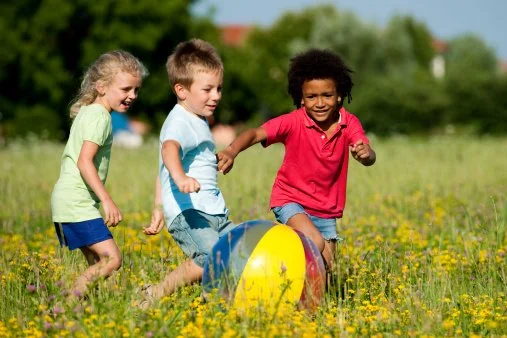
Children that have the opportunity to experience nature are:
More engaged learners as it enhances their critical thinking, problem solving and decision-making skills.
Playing outdoors improves coordination and fine and gross motor skills.
A nature program encourages the development of empathy for the living world.
Benefits of Living Seasonally
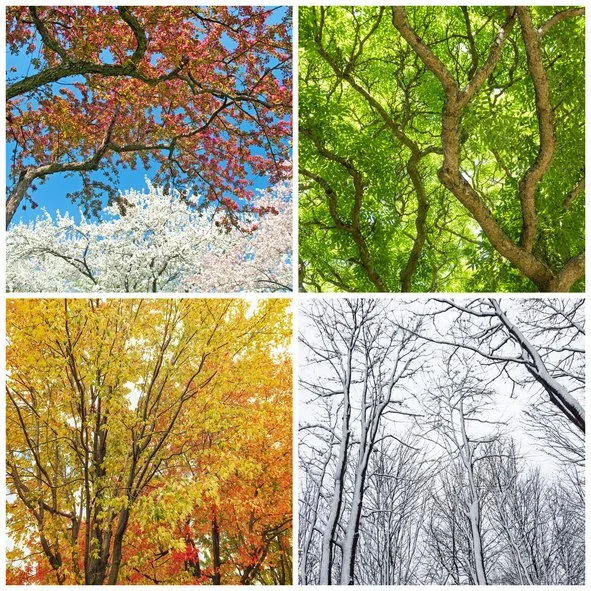
With Oriolus Kids, we practice a life lived in a natural rhythm through the seasons. Through this practice, children experience the following benefits.
Balanced Living—Living in conjunction with the seasons promotes a balanced life, reducing the constant pressure to be productive year-round. Recognizing times of action and rest throughout the cycles leads to overall well-being.
Greater Resilience—Living in nature's rhythm builds resilience. Periods of rest help with recovery and recharge, making one more ready for active times.
Enhanced Flexibility- This approach reduces the stress of rigid deadlines and allows for a more fluid progression, a natural ebb and flow.
Improved Focus—Seasonal living helps with what matters most at any given time. Thus, one is more likely to be present and intentional in one's efforts
“If the children show interest in nature, they share their vast knowledge of the subject material. Week after week, year after year, their lesson plan design fits the needs of all children.”
“This program is so special and thoughtful. I like the intention for creating a space for children to play and connect through nature and each other. Tying the connection between nature and the human experience is a lovely way for children to develop a healthy sense of belonging and of self.”